Edith Gerson-Kiwi and the Making of a Sound Archive in Israel
Keywords:
Edith Gerson-Kiwi, Israeli National Sound Archive, ethnomusicology, Oriental music, Jewish music, sound preservation, recording technology, recording formats, gender and musicologyAbstract
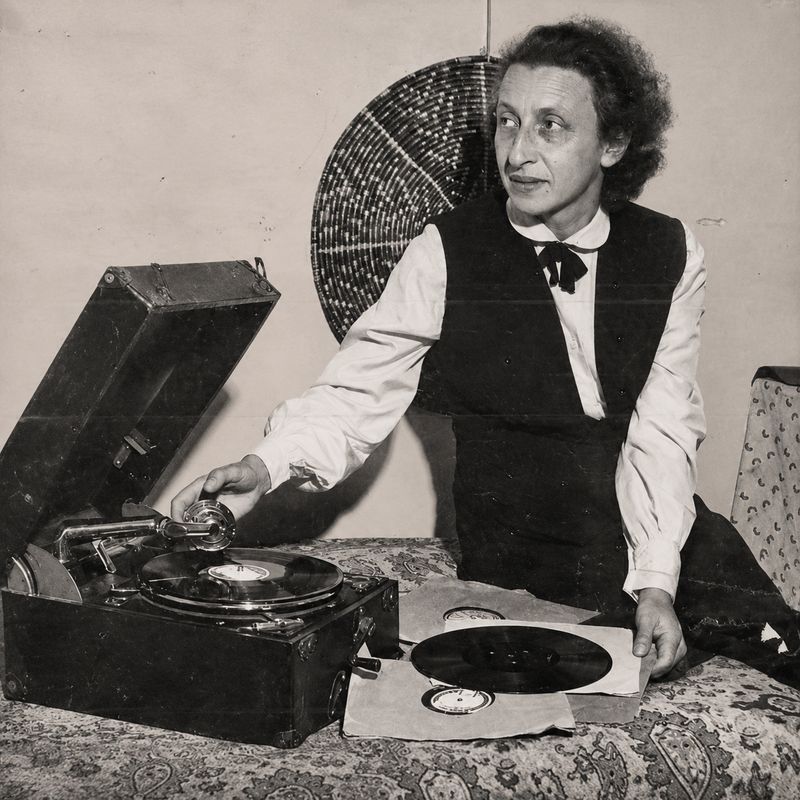
This article reconsiders the foundational role of Edith Gerson-Kiwi (1908–92) in the emergence of Israeli musicology, ethnomusicology, and sound archiving. Trained in German historical musicology, music librarianship, and Renaissance source criticism, Gerson-Kiwi redirected her scholarly practice after immigrating to Mandatory Palestine in 1935, where she encountered Jewish Oriental musical traditions shaped by oral transmission, maqām, improvisation, and ritual performance. Drawing on archival sources, correspondence, institutional reports, recordings, inventories, published writings, and interviews, the article examines her work as a field worker, theorist, collector, teacher, and architect of Israel’s ethnographic sound archive. It argues that her recordings, cataloging systems, preservation practices, and institutional initiatives laid essential foundations for the National Sound Archive and for the study of Oriental Jewish music in Israel. At the same time, the article situates her scholarship within the tensions of Zionist Orientalism, national cultural formation, and gendered structures of academic recognition. By reading Gerson-Kiwi’s career through the politics of archival production and the “Matilda Effect,” the article shows how her intellectual and infrastructural labor was later marginalized within the historiography of Israeli musicology. Recovering her role therefore requires not only biographical correction, but also a broader reassessment of how musical knowledge, archives, and disciplinary authority are constructed.